Thursday, October 6, 2022

Uneventful Brazil polls silence critics


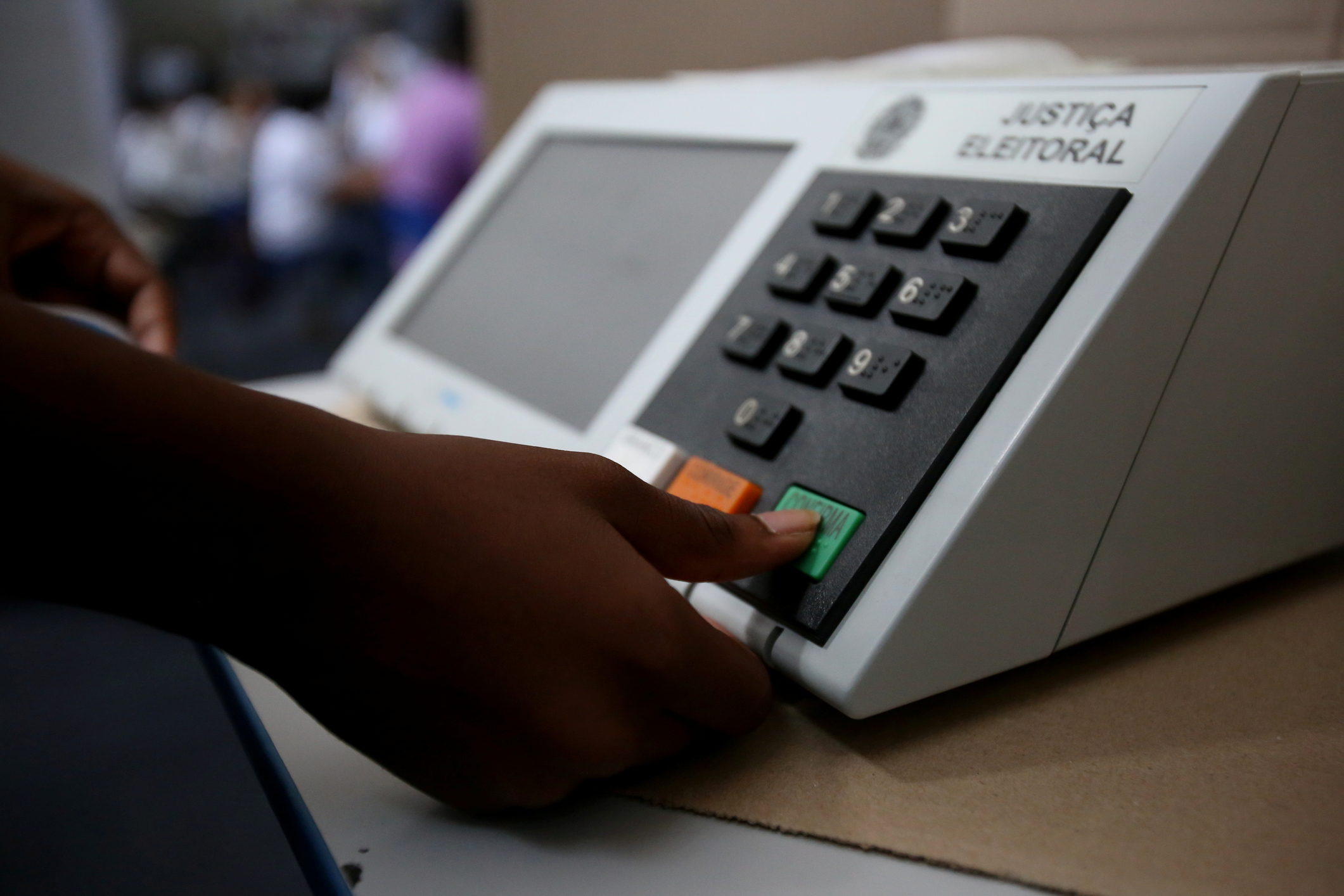
Despite dire predictions, Brazil’s first round of elections proceeded smoothly and concluded without hitches. The country’s election system proved to be up to scratch as it was able to count over 100 million votes by midnight, enabling poll authorities to publish results online without delay.

A mission formed by observers from the Organization of American States (OAS) has released a report lauding the “orderly and normal manner” of the vote.

“The mission salutes the people of Brazil, who turned out to vote yesterday, Sunday, to express their will in a peaceful and democratic manner. Under a highly tense and polarized atmosphere, Brazilian citizens showed maturity and civic commitment,” the report said.

Similarly, markets were upbeat about first-round results. In a note to investors, J.P. Morgan sounded guardedly optimistic about the polls.

"The risks around political polarization, with non-acceptance of the ballot results must be monitored, but so far there have been no notable events to report," it said.

The undramatic polls contrast markedly with the gloom and doom scenario being painted by incumbent president Bolsonaro during the run-up. It might be recalled that Bolsonaro went after the election system hammer and tongs, relentlessly questioning its credibility, and warning of widespread unrest should he lose.

Analysts had feared that Bolsonaro’s polemics was a dangerous tactic to hold on to power, as the incumbent had trailed his rival, ex-president Luiz InĂ¡cio Lula da Silva, in all pre-election surveys. Yet Bolsonaro mustered 43.2% of the votes to Lula’s 48.4%, an impressive showing for the perceived underdog. Under Brazil’s election laws, if no candidate gets 50% of the vote in the first round of voting, a runoff election between the highest scoring candidates will be held.

Analysts note that the stronger-than-expected showing of Bolsonaro had seemingly silenced his rhetoric against the voting system. With the prophesied anomalies turning out to be duds, the whole narrative appeared to have been defanged.

Bolsonaro’s sudden silence on the matter is likely to be taken by the public as a walk back and an acknowledgement that the election system he had been denouncing in fact works. This tacit retraction could prove crucial to the country’s post-election stability as Da Silva, despite failing to score an outright win, still pulled 6,000,000 more votes than Bolsonaro, and enjoys an advantage going into the taut mano-a-mano matchup set on Oct. 30.

Saturday, September 24, 2022

Belying fraud allegations: Court upholds Angola polls, African Union lauds successful vote


In a deathblow to the 2022 aspirations of the Angola’s opposition, the Constitutional Court of Angola junked the electoral protest lodged by the National Union for the Total Independence of Angola (UNITA), declaring the case to be bereft of merit.

The decision upheld the win of the MPLA (People's Movement for the Liberation of Angola), which had dominated the African country’s political landscape for nearly five decades. It also handed President Joao Lourenco a second term.

UNITA leader Adalberto Costa Junior had cried foul over alleged discrepancies between the count of the National Electoral Commission (NEC) and his party's own tally. The poll body, on the other hand, had mightily defended the process to be fair and transparent.

UNITA claims that its parallel count shows it edging MPLA with the most razor-thin of margins — 49.5% vs 48.2%. A parallel count by civic movement Mudei indeed mirrors UNITA’s numbers.

In the face of the final and unappealable decision, UNITA and other opposition parties have called for peaceful demonstrations against so-called irregularities.

The biggest red flag seems to be the poll body’s failure to release results sheets from individual polling stations as they did in 2017, denying UNITAS the opportunity to compare it with parallel counts. Angola’s NEC only published aggregated results from 19 provinces. Exacerbating the bad optics is the fact that the CNE is largely MPLA-controlled, and that four out of the sixteen commissioners have repudiated the results.

The opposition also decries the lack of election observers, where only 1,300 were present to cover a country twice as big France, and questions why MPLA was given more airtime than others.

Yet even as the controversy hogged the headlines, analysts largely view the allegations as a fly in the ointment in an otherwise successful election. This, as election observers led by the influential African Union (AU), have cited the largely peaceful conduct of the polls.

AU Chairman Moussa Faki Mahamat had lauded the exercise as an important milestone in the history of Angola, saying that "once again, the people of Angola have demonstrated their resolve for continuous search for democratic and participatory governance in their country.”

The chairperson went on to congratulate Angolans for turning out in droves to exercise their democratic right to choose their leaders, commend he smooth conduct of the polls, and praise the everyone involved for conducting themselves peacefully throughout the electoral process.

Mahamat has also urged Angolans to continue committing to peace and democracy, appealing for a peaceful and lawful resolution to all election disputes.


Tuesday, August 30, 2022

Bulgaria's Voting Innovations Slash Invalid Votes Amid Disinformation Onslaught


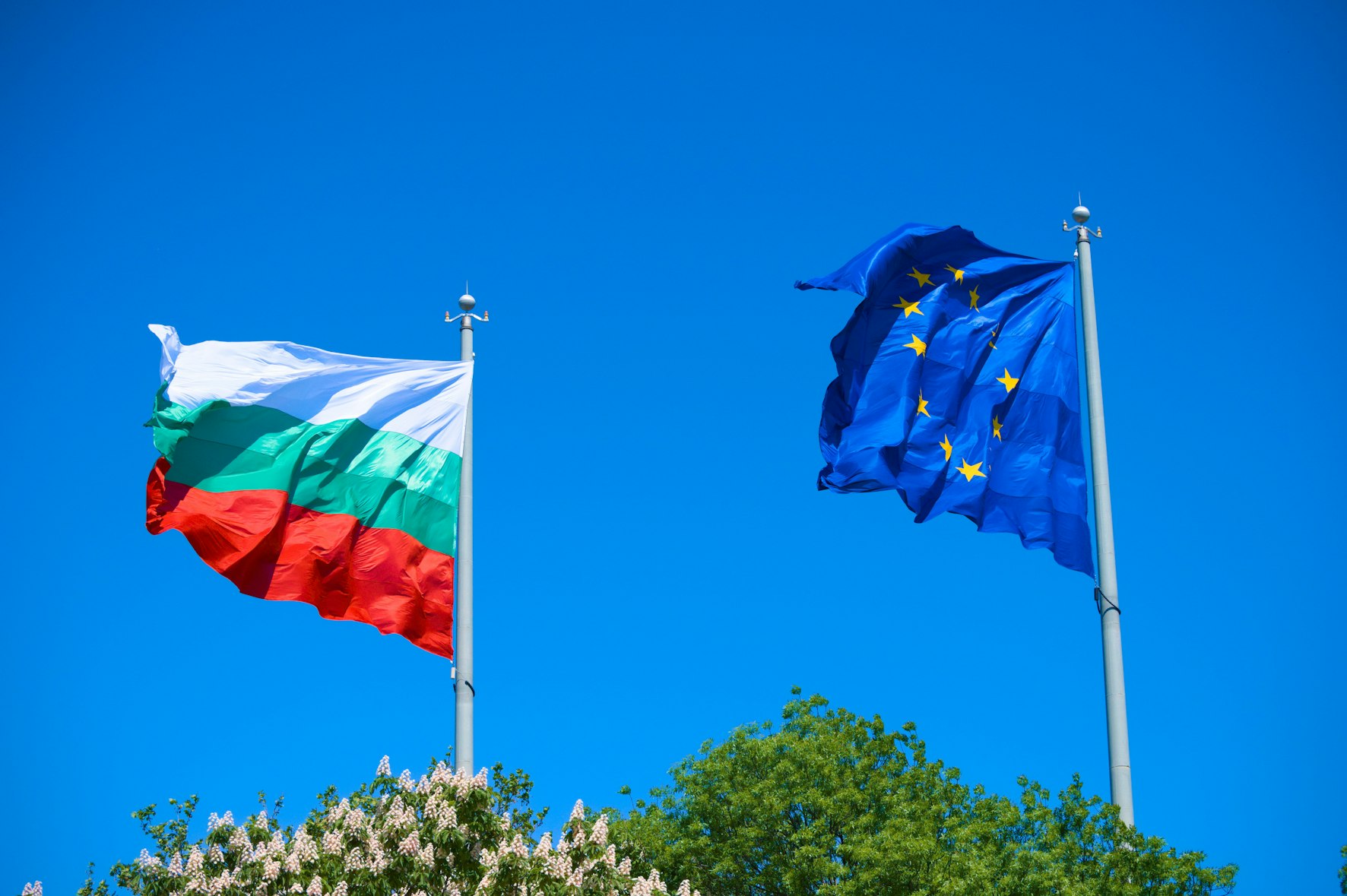
The adoption of voting technologies in Bulgarian elections has notably enhanced the efficiency and accuracy of vote counting and tabulation, leading to a substantial decrease in the number of invalid votes. In the National Assembly elections on July 11, 2021, invalid votes constituted a mere 0.34% of the almost 2.8 million votes cast—a significant improvement when contrasted with the 2019 local elections, where the absence of voting machines resulted in an alarming 15% of votes being declared invalid. This advancement marks a considerable step forward in bolstering the integrity of Bulgaria's electoral process.

Since first implementing voting technology in 2014, Bulgaria has expanded the use of electronic voting machines with a distribution of roughly 9,500 devices nationwide as of recent elections.

According to the Organization for Security and Co-operation in Europe (OSCE), the implementation of machine voting in the 2021 Presidential and Early Parliamentary Elections was largely successful despite logistical challenges. Significantly, the OSCE's statement acknowledges that machine voting prevented the possibility of casting an invalid or blank ballot, emphasizing the effectiveness of this technology in fostering more valid voter participation.

International observers from the Parliamentary Assembly of the Council of Europe (PACE), also praised the impact of voting machines, describing it as "positive" and underscoring their role in eliminating invalid ballots, which has been an ongoing issue in prior elections.

However, the advancements in Bulgaria's voting technology landscape have been somewhat overshadowed by disinformation campaigns. Particularly during the 2021 elections, representatives from the GERB party made several allegations of machine manipulation without presenting any substantiating evidence. These unsubstantiated claims have fueled skepticism and have potentially hampered the public's trust in the efficacy and integrity of the voting machines.

The spread of election disinformation linked to voting technology in Bulgaria appears to be driven by political agendas. During the 2022 Bulgarian general election, Goran Georgiev of Sofia’s Center for the Study of Democracy closely observed the unfolding events. In a marked display of skepticism, GERB’s leader Borisov condemned the employment of voting technology and alleged, without presenting evidence, that unauthorized individuals had manipulated the voting machines. Georgiev highlighted the significance of this election, as it was the first in over a decade where GERB failed to secure a parliamentary majority.

Overall, while electronic voting machines in Bulgaria have demonstrated a notably positive impact on the electoral process, it is crucial for Bulgarian authorities and international stakeholders to address the challenge of disinformation to safeguard the progress made in modernizing elections.

Thursday, August 18, 2022

Kenya shuns past, holds first peaceful vote in years


International election observers heaved a sigh of relief as the Kenyan elections came to a close without violence in a stark departure from past polls that had been pockmarked by killings.

“On election day, voters exercised their right to vote in a general peaceful manner throughout the day,” lauded Ivan Stefance, head of the EU observation mission.

In a statement, Bruce Golding, former Prime Minister of Jamaica and the current chairman the Commonwealth Observer Group commended the people of Kenya for the “peaceful and orderly manner in which they exercised their right to vote on 9 August 2022.

“It is our hope that by bringing this electoral process to a successful conclusion, Kenya will serve as an inspiration for the Commonwealth and indeed, the rest of the world, that relevant lessons have been learned from the past, and that each successive election is an improvement on the previous one,” Golding said.

Although the matter is more nuanced, many observers are already singling out this year’s successful implementation of technology as a significant factor in keeping violence at bay.

“The mission commends the Independent Electoral and Boundaries Commission (IEBC) for the successful use of technology for voter registration voter identification and transmission of results. It has improved efficiency and increased the transparency for the election process in Kenya. At least those of us who were here in the last election can attest to that,” said Jakaya Kikwete, Head of the East African Community Observation Mission, and former President of Tanzania.

Dr. Ernest Bai Koromo, former president of the Republic of Sierra Leone noted the improvement in the overall voting exercise across the country. “Polling stations opened on time, voters were identified easily by digital kits and no major security incident was reported," he said.

“As a result of these changes to the Results Transmission System (RTS), the provisional presidential election results were publicly accessible on the IEBC portal. The Mission welcomes introducing these transparency measures to improve the integrity of the electoral process,” Koromo added.

The IEBC earned plaudits from the Commonwealth Observer Group for learning from past lessons, saying that “the Group notes that the IEBC applied a lessons-learned approach from the 2017 elections and adopted new software and hardware through the requisition of the KIEMS kit from a company called Smartmatic. It was noted that the IEBC undertook two simulation exercises of the KIEMS kits for the electronic transmission of results, the second of which our Advance Team was able to observe. We acknowledge these efforts, as the transparency they displayed contributed to building confidence in this key feature of the electoral process.”

The Kenyan election saw Deputy President William Samoei Ruto, 55, winning narrowly with 50.49 percent of the votes over his rival Raila Odinga, 77, who took 48.85 percent. Although Odinga is contesting his loss, political observers largely believe the election results to be credible.

Election watchdog ELOG (Elections Observation Group), a federation of more than a dozen NGOs, said that its parallel vote tabulation (PVT) estimates were consistent with IEBC’s official results.

“In light of our assessment of the Election Day processes and given that IEBC figures fall within the projected ranges, the PVT projections, therefore, corroborate the official results,” said the group’s chairperson Anne Ireri.

Kenyan citizens and election observers had been on tenterhooks during the lead up to the elections over fears that this year’s exercise would be a repeat of the bloody elections in 2007 where 1,200 people were killed and in the 2017 violence which left 24 people dead across the nation.